By Donna Galanti
•
August 29, 2026
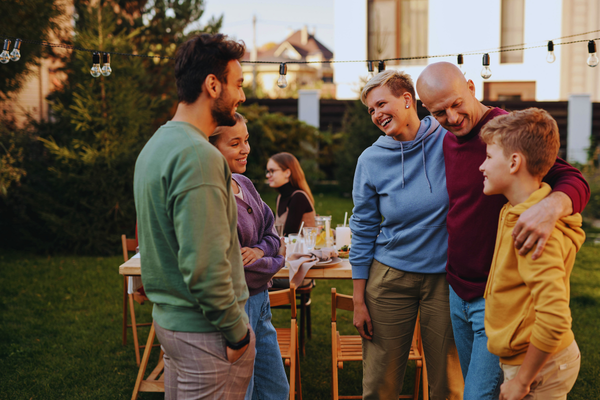
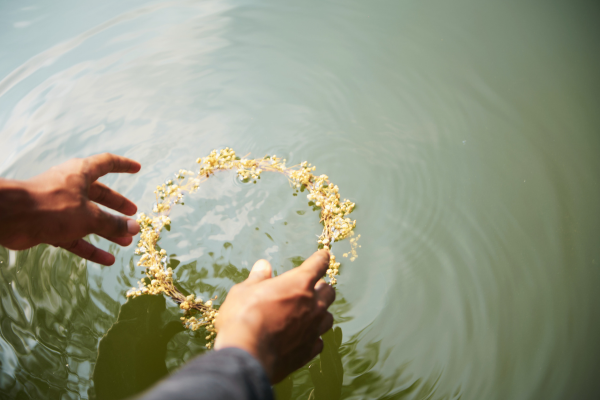
As summer winds down, many families find themselves thinking about the people, places, and traditions that made the season special. For those grieving a loved one, this time of year can also be a good moment to gather, remember, and celebrate a life. An end of summer memorial gathering doesn't need to be elaborate or formal. What matters most is creating a comfortable space where family and friends can come together, share memories, and celebrate the person who is no longer with them. Whether you're planning something intimate for close family or inviting a wider circle of friends and relatives, there are many ways to make the occasion personal and special. Choose a Meaningful Location One of the first decisions is picking a location that feels right for your loved one. Think about a place that held special meaning to them: a family backyard, favorite park, beach, garden, lakefront, or another spot where they liked spending time. An outdoor setting can offer a peaceful backdrop for remembering someone while soaking up the last days of summer . If your loved one enjoyed gardening, gathering in their garden can make the memorial especially personal. If they loved being near the water, consider a spot with a view of a favorite lake, river, or beach. Keep accessibility, parking, seating, restrooms, and weather in mind when choosing an outdoor location. Having an indoor or covered space nearby can also give you peace of mind in case of rain or extreme heat. Incorporate Personal Touches The most meaningful memorial gatherings include details that reflect the person's personality and passions. Rather than focusing on elaborate decorations, think about the small things that made your loved one unique. You might: ● Display favorite photographs and keepsakes ● Play their favorite music ● Serve foods, desserts, or beverages they enjoyed ● Share favorite stories and memories ● Set up a memory table with meaningful belongings ● Display awards, artwork, books, or other treasured items ● Incorporate their favorite flowers or colors ● Put together a slideshow of photographs from throughout their life You could also invite guests to bring a photograph, story, or small memento to share. These personal contributions often bring out memories that might otherwise go unspoken. For a look at how families are personalizing services these days, see Personalization Trends in Modern Memorials . Create a Memory-Making Activity A simple activity gives everyone a chance to take part in honoring your loved one. Place cards and pens on a table and invite guests to write down a favorite memory, something they learned from the person, or a message they'd like to share. Collect these notes in a memory box or scrapbook for the family to keep. Another option is a memory tree. Guests write memories or messages on paper leaves and attach them to branches, which a family member can later preserve as a keepsake. For children at the gathering, set out paper and art supplies so they can draw a picture or write a message. Kids often express grief differently than adults and giving them a creative way to participate helps them feel included. Share Stories and Memories Stories are one of the most powerful ways to keep someone's memory alive. Set aside time during the gathering for family and friends to share a favorite story, funny moment, or meaningful experience. You don't need a formal speaking program. A relaxed invitation, such as "Who would like to share a favorite memory?" can open the door to real conversation. If several people want to speak, ask someone to gently guide the conversation. At the same time, remember that not everyone will feel comfortable speaking in front of a group. Give guests the option to simply listen. Laughter is welcome too. Remembering someone doesn't mean every moment has to be solemn. Sharing the funny, joyful, everyday memories that made your loved one special can matter just as much as the quiet ones. Keep the Gathering Comfortable Grief is unpredictable, and everyone experiences a memorial gathering differently. Keep the event relaxed rather than setting expectations for how people should participate. Provide comfortable seating, plenty of water and refreshments, and a shaded or indoor area for hot summer weather. If older family members or guests with mobility concerns will attend, make sure the location is easy to access. You might also keep the gathering informal. A picnic-style meal, afternoon refreshments, or simple dessert gathering may feel more natural for your family than a structured event. Most importantly, let people step away if they need a quiet moment. Grief doesn't follow a schedule, and emotions can surface unexpectedly. Honor Their Legacy An end of summer gathering can be about more than remembering the past. It can also be a chance to carry your loved one's legacy forward. Consider choosing a charitable organization they cared about and collecting donations in their memory. If they loved animals, guests could donate to an animal shelter. If education mattered to them, consider supporting a scholarship or school program. You might also continue a tradition your loved one enjoyed: prepare their favorite recipe, plant something in their garden, organize an annual family picnic, or take part in an activity they loved. For more ways to build rituals your family can return to each year, see Memorial Traditions That Last Beyond Memorial Day . Even a simple act of kindness can become a meaningful tribute. Encourage family members to do something kind in their loved one's honor and share those stories at a future gathering. Consider a Meaningful Memorial Ritual A small ritual can offer a sense of purpose and closure. Depending on your family's traditions and beliefs, you might light candles, say a prayer, read a favorite poem, play a meaningful song, or spend a few moments in quiet reflection. You could also plant a tree, flower, or perennial as a living memorial. Watching it grow and bloom each year becomes a lasting reminder of your loved one. Choose something that feels authentic to your family rather than following a set formula. There's no single right way to remember someone. Our post on How New Traditions Can Support Healing looks at why building something new, rather than only repeating the past, can bring comfort. Give Yourself Permission to Grieve There's no right or wrong way to commemorate someone you love. A memorial gathering may bring laughter, tears, nostalgia, and sadness, all of which can be part of the grieving process. Don't feel pressured to create a perfect event. The purpose isn't to eliminate grief but to create an opportunity for connection, remembrance, and support. As summer comes to an end, gathering with the people who knew and loved your family member can provide comfort and connection. It can remind you that although your loved one is no longer physically present, their influence, stories, traditions, and love continue through the people whose lives they touched. Remember that a meaningful memorial doesn't have to be elaborate. Sometimes the simplest gathering, a few family members around a table, favorite photographs nearby, familiar music playing, and stories being shared, is enough. If your family is considering an end of summer memorial gathering or another way to honor a loved one, you don't have to plan it alone. A funeral home can help you explore memorialization options and create a gathering that reflects your family's wishes and your loved one's life. Whether you choose a formal service, an intimate family gathering, or a casual celebration of life, what matters most is creating a meaningful opportunity to remember, connect, and honor the person you love. Do you have questions about personalizing a memorial, grief resources, or funeral services? Be sure to visit our website or call us for more information